Nothing beats the quiet joy that comes from looking out the window and seeing sturdy branches swaying above a cool patch of shade. A strong tree feels like a lifelong friend, standing guard through every season. Yet, just like any friend, it deserves steady care. The following seven steps form an easy-to-follow path that keeps every yard’s tall residents lively, lush, and full of life.
1. Start With Living Soil
Roots breathe, drink, and store energy in the dark underground. Rich soil keeps that hidden system humming.
- Mix fallen leaves or home-made compost into the top few inches once a year.
- Keep lawn chemicals at least three feet from the trunk.
- In new yards, spread an inch of finished compost over the root zone, then water it in.
Because soil health drives root health, every later effort—watering, feeding, pruning—builds on this first layer of care.
2. Water Wisely
Many mature trees survive drought better than turf yet still need deep drinks during heat waves. Pouring a bucket by the trunk only wets bark. Instead, place a slow hose or drip line at the outer edge of the canopy where feeder roots sit. Let water seep until the upper twelve inches feel damp when tested with a trowel. Meanwhile, resist shallow daily sprinkles. They coax roots upward and leave the lower profile parched. Consistent deep soaking trains roots to explore a broader range of soil, giving your tree a cushion against dry spells.
3. Lay Down Mulch Magic
A well-placed mulch ring works like a climate‑control blanket. It locks in moisture, buffers summer heat, and limits weed competition.
Keep these simple guardrails in mind:
- Depth: Two to three inches is plenty.
- Space: pull mulch two inches back from the bark to avoid rot.
- Material: chipped wood, leaf mold, or pine needles all work well.
As the seasons change, the mulch breaks down and adds organic matter that feeds the life in the soil. As the ring gets thinner, replace it or add to it. This will give your roots a consistent, slow-release meal.
4. Feed At The Right Time
Just as athletes time nutrition around training, trees benefit from fertilizer when energy demand peaks. Early spring, as buds swell, spread a balanced slow-release feed over the root zone. Skip high‑nitrogen lawn blends that push soft top growth at the expense of sturdy wood.
A granular 10-10-10 or an organic pellet combination gives you a full range of nutrients without any sharp spikes. Put the seeds on evenly, rake them in lightly, and then water. By the end of summer, growth slows down; thus, extra fertilizer is wasted. When nutrients are given at the right time, they help leaves grow, flowers bloom, and roots grow at the right time.
5. Inspect And Act Early
Trouble often starts small—a cluster of chewed leaves, a weeping wound, a swarm of tiny insects on fresh shoots. A five-minute walkaround each month catches these hints before they build.
Look for:
- Discolored or spotted foliage
- Oozing sap or sawdust at the base
- Dead twigs that snap like dry spaghetti
Catch the signal and respond with simple tactics such as clipping out infected twigs, hosing off aphids, or adjusting irrigation. Early action protects the tree and saves effort down the road.
6. Prune With Purpose
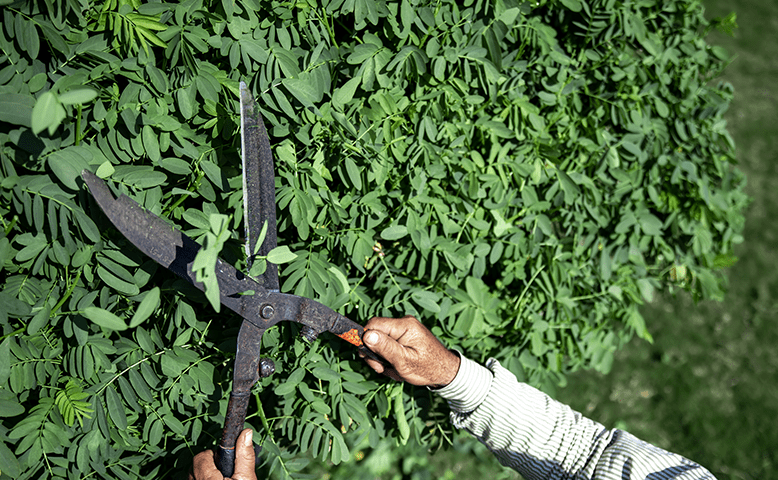
Careful pruning forms the structure, raises low branches off of walkways, and lets more air circulate through thick crowns. Use tools that are sharp and clean, and observe the rule of thirds: never cut off more than one third of live growth in one session. Cut just outside the branch collar to make sure the wound heals quickly.
In late winter, the limbs are bare, the sap flow slows down, and mending starts as soon as the weather warms up in the spring. Summer touch-ups, limited to light skimming of water sprouts or damaged tips, keep the form tidy without over‑stress.
7. Shield Roots From Harm
Roots spread well beyond the branches above. Heavy cars, piled soil, or new paving can crush or suffocate them.
Therefore:
- Park vehicles away from mature trees.
- Avoid trenching through the drip line during landscape projects.
- When building paths, choose permeable materials that let rain soak through.
By guarding the unseen network beneath your lawn, you protect the whole organism from gradual decline.
Conclusion
Consistency turns these seven steps into a long-term safety net. Make them part of seasonal routines, and the payoff arrives in steady shade, strong limbs, and a yard full of life. When your branches call for a skilled touch, Happy’s Tree Services provides careful tree trimming that respects every ring of growth.